MetaMask swap is a wallet-native exchange route with built-in frontrun protection
Metamask swap is a self-custody token exchange feature inside the MetaMask wallet that routes trades through aggregated liquidity while keeping the user in control of approvals, gas, and final signing. It is built for onchain swaps between crypto assets such as ETH, USDC, and ERC-20 tokens on supported networks, with quote comparison, slippage settings, and security checks presented before the transaction reaches the blockchain.
The quote screen turns wallet balances into trade choices
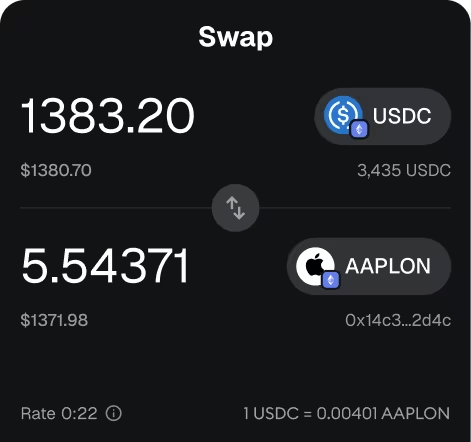
A swap begins from the assets already visible in the wallet. The user picks the token to sell, chooses the token to receive, enters an amount, and reviews the quoted output before signing. That small flow matters because it keeps the trade next to the wallet balance, the network selector, the gas estimate, and the account that will actually submit the transaction.
The interface is designed for people who already use MetaMask to connect with DeFi apps, NFT marketplaces, games, and other onchain tools. Metamask swap keeps the exchange step in the wallet rather than forcing a separate dapp connection for every small trade. The wallet still asks for confirmation, so the final action remains a signed blockchain transaction from the user's address.
How routing searches liquidity before the transaction is signed
The feature works as an aggregator. It checks available swap routes from decentralized exchange liquidity sources and other supported services, then presents a quote that includes the expected received amount, price impact, network gas, and service costs. The user sees the relevant numbers before approving the trade, which is the right moment to catch a poor route, wrong token, or unsuitable network fee.
Routing is especially useful on networks where the same token pair trades across several pools. A single ETH to USDC trade, for example, might route through direct liquidity or through an intermediate token if that path produces a better output after costs. The wallet abstracts that route search without removing the need to read the confirmation screen.
Frontrun protection and transaction review
Onchain swaps expose trade details to public transaction flow before settlement. MetaMask highlights frontrun protection as part of its security posture, along with security alerts and Wallet Guard features. In this context, protection means the wallet experience is built to reduce the risk that a pending swap is exploited by faster actors watching the mempool.
Metamask swap also benefits from the broader wallet review process. The confirmation screen shows the account, network, estimated gas, token amounts, and contract interaction. That review is not decorative: a user approving a new token spend grants a smart contract permission to move a specific asset, so approvals deserve the same attention as the swap rate.
Fees, gas, and the number that reaches your wallet
The cost of a wallet swap has more than one part. The network charges gas for execution, and gas rises when the chain is busy. The quoted trade also includes the economics of the selected route, such as pool pricing and slippage. MetaMask may include a service fee in eligible swaps, shown as part of the quote rather than as a separate surprise after signing.
The important number is the estimated amount received after route costs and network fees are considered. A low-value trade on Ethereum mainnet becomes unattractive when gas is high, while the same idea on a lower-cost supported network looks different. Metamask swap gives the user a single place to compare the route output and the transaction cost before committing.
Token approvals are part of the swap workflow
Many ERC-20 trades require an approval before the swap itself. Approval authorizes a smart contract to spend the selected token from the wallet. After that approval is confirmed onchain, the actual exchange transaction can be signed and submitted. Native gas tokens such as ETH follow a different path because they do not need an ERC-20 allowance.
This two-step pattern explains why a user sometimes sees one transaction complete while the desired token exchange has not yet happened. The first transaction created the permission; the second one performs the swap. Metamask swap surfaces those actions inside the wallet flow, but each signed transaction still settles according to network conditions and contract execution.
Using it for common wallet tasks
The most common use is simple portfolio adjustment. A user receives ETH, wants USDC for stability, needs POL or another gas token on a supported network, or wants to trade into a token before interacting with a DeFi protocol. The feature is also useful after bridging funds, because assets frequently arrive in one token while the next app requires another.
Several practical tasks fit this pattern:
- Convert ETH to USDC before paying or holding dollar-denominated value.
- Swap into a network's gas token so future transactions do not stall.
- Move from a volatile token into a more liquid pair before exiting a position.
- Trade small balances left after NFT minting, gaming, or DeFi activity.
- Prepare the right asset for a staking, lending, or liquidity app.
Starting from a clean wallet setup
A good first swap begins with the correct account and network selected. The wallet must hold enough of the network's gas token to pay for execution, even when the token being sold is different. On Ethereum, that means ETH for gas; on Polygon, the current gas token is POL. Other supported EVM networks use their own native assets for fees.
After choosing the pair and amount, review the token identity carefully. Scam tokens often imitate names and symbols of popular assets. Use the contract address shown by trusted market data tools or the asset list already recognized by the wallet when the token is unfamiliar. One wrong token selection leads to a valid transaction for the wrong asset, which the chain will still execute.
When a direct DEX or exchange makes more sense
More broadly, Metamask swap is strongest when the priority is staying inside a self-custody wallet and checking aggregated routes quickly. A dedicated decentralized exchange gives more control over pool choice, concentrated liquidity ranges, limit-style tools, or advanced routing. A centralized exchange suits users who need order books, fiat rails, tax exports, or customer account features tied to a custodial platform.
The best choice changes with the task. A routine ETH to USDC trade from a wallet balance fits the built-in flow. A complex liquidity strategy belongs in a protocol interface built for that market. Moving from a bank account into crypto starts with a buy flow rather than a swap, because the wallet must receive crypto before an onchain token exchange can occur.
What happens after signing
Once signed, the transaction is broadcast to the selected network and waits for inclusion in a block. The wallet displays pending status, and the balance updates after confirmation. If the network rejects the trade because the price moved beyond the slippage setting, the swap fails while gas for the attempted execution is still spent.
Day to day, Metamask swap does not change the finality rules of the chain being used. Confirmed transactions settle to the address that signed them, and the received token appears in the wallet when the asset is recognized. If the token balance exists onchain but does not display automatically, adding the token manually by contract address reveals the balance in the asset list.
Questions people ask about Metamask swap
Can I swap a token that does not appear in my MetaMask asset list?
Yes, if the token is supported on the selected network and can be identified by its contract address. The safer workflow is to add or select the exact asset first, then open the swap screen from the correct network. Token symbols are easy to imitate, so the contract address matters more than the display name when dealing with unfamiliar assets.
Why did I pay gas when my swap failed?
Gas pays validators or block producers for processing the transaction attempt, even when the smart contract rejects the swap. A common reason is price movement beyond the allowed slippage before execution. The original tokens stay in the wallet when the swap fails, but the gas used by the attempted transaction is consumed by the network.
Which assets do I need before using the swap feature?
You need the token you plan to sell and enough native gas token on the same network to pay transaction fees. Holding USDC on Ethereum, for example, still requires ETH for gas. If funds are on a different network, the wallet must be switched to that network before the relevant balance and swap route appear.
Does frontrun protection remove all swap risk?
No. Frontrun protection addresses a specific transaction-ordering risk around pending swaps, but it does not make a weak token liquid, fix a bad price, or reverse a signed transaction. The user still needs to check the token, route output, slippage setting, approval request, and network before confirming the trade.