MetaMask swap is an in-wallet quote aggregator for trading tokens across major networks
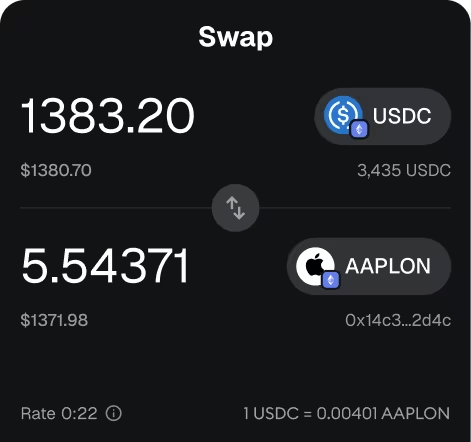
Metamask swap is a wallet-native way to exchange crypto without leaving MetaMask, using aggregated quotes to route a trade across available liquidity sources on networks such as Ethereum, Solana, and other major chains. It keeps the transaction inside a self-custody wallet, shows the token pair, estimated output, network cost, and slippage before confirmation, and then sends the swap as an on-chain transaction from the user's own account.
That combination matters because token trading is rarely a single-price action. A swap depends on liquidity depth, route quality, gas, token approvals, and the chain selected in the wallet. MetaMask places those details in the same interface where the user already views balances, connects to dapps, and manages assets, so the trade feels like a wallet action rather than a separate exchange account.
The quote screen pulls prices from many routes
The defining feature is aggregation. Rather than presenting one pool or one decentralized exchange path, the quote flow compares available services and routes before showing a proposed trade. The goal is a better executable output after costs, not merely the prettiest token price. A route might draw from a direct pair, split liquidity across pools, or choose a path through an intermediate asset when that produces a stronger quote.
Metamask swap also keeps execution details close to the transaction itself. The user sees which asset leaves the wallet, which asset arrives, the estimated amount, the network fee, and the acceptable movement range before signing. This is especially useful for smaller tokens where liquidity changes quickly and a visible quote becomes stale faster than a blue-chip ETH to USDC trade.
Where Ethereum, Solana, and EVM networks fit
More broadly, MetaMask began as an Ethereum wallet and now presents itself as a broader onchain home for assets and networks. In the swap context, network selection is part of the trade. Ethereum uses ETH for gas, Solana uses SOL, and EVM-compatible networks use their own native gas tokens such as POL on Polygon or BNB on BNB Chain.
A token must exist on the selected network for a same-chain swap to work. USDC on Ethereum and USDC on Solana are separate assets on separate ledgers, even when the ticker looks familiar. If the desired move crosses networks, the user is dealing with bridging or cross-chain routing rather than a plain same-chain token exchange. That distinction explains many wallet confusion cases: the address may be correct, but the asset sits on a different network view.
The wallet workflow from token selection to confirmation
A typical trade starts by choosing the account and network, selecting the token to spend, selecting the token to receive, and entering an amount. The quote screen then calculates a route and displays the expected output. If the token being spent is an ERC-20 or similar contract-based asset, the first action may be an approval that permits the swap contract to use that token.
After approval, the swap transaction itself is signed in the wallet. The trade is final only when the network includes the transaction in a block or slot and the wallet reads the updated balance. Metamask swap fits this sequence into the normal MetaMask confirmation flow, so advanced users still review gas, permissions, and slippage while newer users avoid hopping between multiple trading interfaces.
Network fees, service fees, and price movement
Every swap has several cost layers. Network gas pays validators or block producers. The liquidity route has an exchange rate shaped by pool depth and market demand. MetaMask's swap service also includes a service fee in supported flows. The number that matters on the quote screen is the received amount after the selected route and displayed costs are accounted for.
Slippage tolerance protects the transaction from executing too far away from the quoted price. A tight setting rejects more trades during volatile periods, while a loose setting gives the route more room to complete at a worse output. Thinly traded tokens, newly launched assets, and meme coins deserve extra attention because a small order can move the pool price sharply.
Useful reasons to swap inside the wallet
Many users reach for Metamask swap for ordinary portfolio maintenance rather than constant trading. The wallet holds the tokens, displays the balances, and already controls the account that signs the transaction. That makes it a practical place to convert between assets when preparing for a dapp interaction, consolidating small balances, or moving from a volatile token into a stablecoin.
- Trade ETH, SOL, USDC, and other supported tokens from the wallet balance.
- Convert into a network gas token before interacting with a dapp.
- Move between stablecoins when liquidity or app support favors one version.
- Exit a token position without first sending assets to a centralized exchange.
- Review approvals and transaction prompts within the same wallet interface.
Token approvals deserve a separate look
Approvals are one of the most important mechanics behind wallet-based trading. When a user spends a contract token, the wallet signs a permission that lets a smart contract move a specified amount. Some interfaces request only the trade amount; others request a larger allowance for convenience. The approval is separate from the trade and costs its own network fee.
That is why a failed or canceled trade does not always mean every action is gone. An approval can remain active after the swap itself fails or is never submitted. Users who trade frequently benefit from reviewing active allowances inside a wallet dashboard or reputable approval manager, especially after experimenting with unfamiliar tokens or dapps.
Security controls built into the MetaMask environment
Day to day, MetaMask emphasizes self-custody, privacy controls, security alerts, threat monitoring, and transaction protection features across its wallet experience. In the swap flow, those controls matter at the point of signing. The wallet prompts the user before an approval or transaction leaves the account, and that prompt is the moment to inspect the token, amount, recipient contract, network, and estimated gas.
Importantly, Metamask swap does not remove on-chain responsibility; it concentrates the relevant information where the signature happens. A real swap should match the chosen network, spend the intended token, and return the expected asset. If the prompt asks for a surprising permission or the token contract looks unrelated to the intended asset, stopping before signing is the cleanest defense.
When a bridge, exchange, or dapp is the better fit
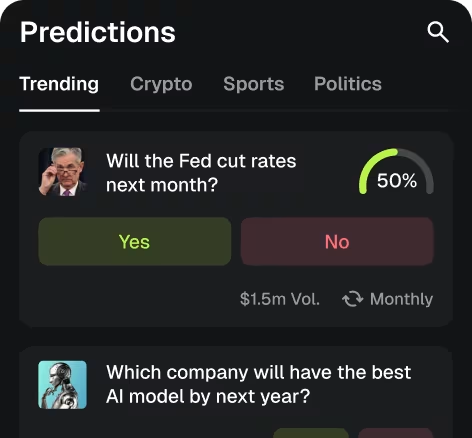
Not every token movement belongs in a same-wallet swap. Moving value from Ethereum to Solana, or from BNB Chain to Ethereum, requires cross-chain infrastructure. Sending funds to a centralized exchange uses deposit addresses, account credits, withdrawal rules, and exchange order books. Interacting with a protocol-specific dapp may be necessary when the goal is staking, liquidity provision, prediction markets, or perpetual futures rather than a spot token trade.
In practice, Metamask swap is strongest when the user already holds the asset in MetaMask and wants an onchain exchange from one token to another on a supported route. Coinbase Wallet, Phantom, Trust Wallet, Uniswap, 1inch, and Jupiter serve overlapping needs, but the best choice depends on the chain, the token list, available liquidity, and whether the user wants a wallet-first experience or a specialized trading interface.
Common setup details that prevent failed swaps
The account needs enough native gas before anything else works. Holding USDC on Ethereum does not pay Ethereum gas; ETH does. Holding a token on Polygon does not pay Polygon gas unless the wallet also has POL. On Solana, SOL pays transaction fees. This small requirement explains many failed first attempts because the trade asset and the fee asset are different.
The selected network must also match the token being spent. If a balance appears missing, it may need the right network view or a custom token entry using the correct contract on that chain. Metamask swap handles the exchange process, but the wallet still displays assets according to network, token contract, and account address. Once those basics line up, the swap screen becomes much easier to interpret.
Metamask swap questions worth asking
What fees show up before confirming a MetaMask wallet trade?
The confirmation flow shows the network fee and the quoted exchange details before signing. The network fee pays the chain, such as ETH on Ethereum or SOL on Solana. A swap route also reflects liquidity pricing, and supported MetaMask swap flows include a service fee. The clearest figure is the estimated token amount to receive after the selected route and displayed costs.
How long does a wallet swap take after signing?
Completion time follows the chain that processes the transaction. Ethereum timing changes with gas demand, Solana settles quickly under normal conditions, and EVM networks vary by block time and congestion. The wallet balance updates after the transaction confirms and the token is recognized in the selected network view. A pending transaction means the swap has been submitted but has not finalized onchain.
Do I need ETH to swap an ERC-20 token in MetaMask?
Yes, an Ethereum ERC-20 swap requires ETH for gas, even when the trade spends a different token such as USDC or LINK. Other networks use their own fee asset: SOL on Solana, POL on Polygon, and BNB on BNB Chain. Without the native gas token, approvals and swaps fail before the trade reaches final confirmation.
What happens if the token I bought does not appear in the wallet?
The asset may be on a different network view, or the wallet may need the token added with the correct contract for that chain. A successful transaction still exists on the network even if the interface has not displayed the balance yet. Check the account, network, and token contract carefully; adding the wrong contract makes the wallet track the wrong asset.
Is a token approval the same as the swap transaction?
No. An approval gives a smart contract permission to spend a token from the wallet, while the swap transaction performs the actual exchange. Many contract tokens require approval before the first trade. If the swap is canceled or fails after approval, the permission can remain active until the user revokes it or changes the allowance.
Can MetaMask swap Bitcoin directly from a Bitcoin wallet balance?
MetaMask supports buying, selling, and managing several major assets in its broader wallet experience, but a swap depends on the networks and token standards available in the selected flow. Native Bitcoin and wrapped Bitcoin are different assets. If a quote uses a tokenized Bitcoin asset on an onchain network, the transaction follows that network's rules rather than the Bitcoin base chain.
Which wallet alternatives overlap with MetaMask swaps?
Coinbase Wallet, Trust Wallet, Phantom, Uniswap, 1inch, and Jupiter overlap with parts of the same workflow. Phantom is especially associated with Solana, Uniswap focuses on decentralized exchange trading, 1inch emphasizes aggregation, and Coinbase Wallet pairs self-custody with a familiar exchange brand. MetaMask's advantage is keeping aggregated quotes inside a widely used multi-network wallet.